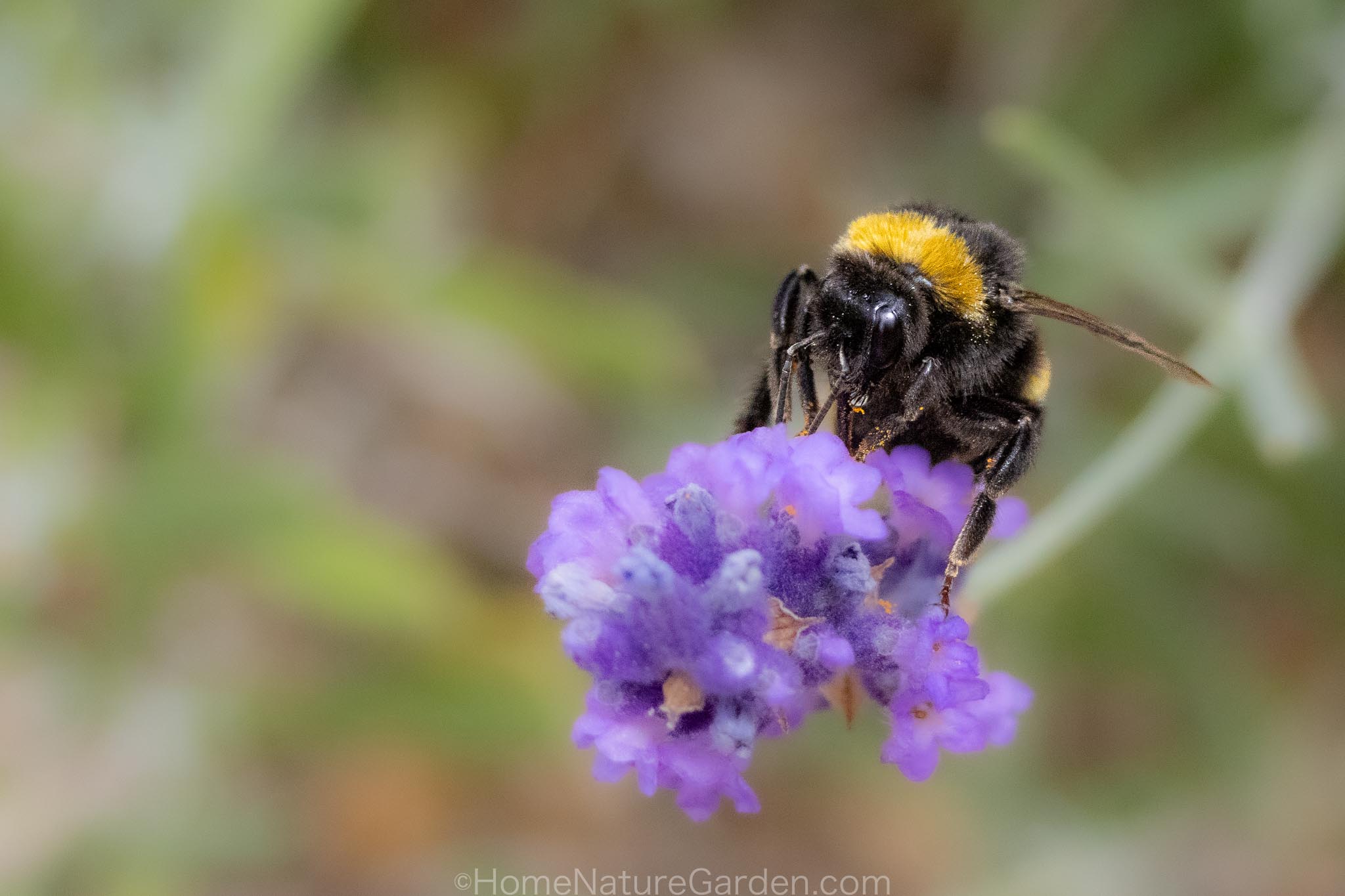
A Wildlife Garden During a Heatwave
Heatwaves affect bees in ways that are not always obvious at first. This summer has shown me what a heatwave can show about the hidden ecology of a wildlife garden. Watching my Suffolk garden during the hot weather has shown me that bees, hoverflies and other pollinators all respond differently as temperatures rise.
A wildlife garden can change surprisingly quickly during a heatwave. Over the last few weeks, my garden has shown that flowers, pollinators and the garden ecosystem are connected. As flowers respond to hotter conditions, the insects that depend upon them must adapt.
In my garden, I’ve noticed that pollinators behave differently as temperatures rise. Some flowers that are attractive to pollinators in the early morning are no longer attractive to them in the afternoon. Heatwaves affect bees because they appear to spend more time searching for nectar. While hoverflies seem to be more interested in hovering over damp vegetation than visiting nearby flowers for nectar.
My observations have made me realise that a heatwave does not only affect individual insects. It changes relationships between pollinators, flowers, and the whole garden ecosystem. As flowers respond to hotter conditions, the insects that depend on them must also adapt. By closely watching the activities in the garden, we see that every part of the garden is connected, and even small changes can affect the lives of plants, insects and birds.
Why Do Heatwaves Affect Bees and Other Pollinators?
Insects are cold-blooded creatures. They need warmth from their surroundings to be active. On regular warm summer days, the warmth allows bees, hoverflies, and butterflies to fly, feed and pollinate flowers. However, periods of intense heat results in new challenges for them.
Hot conditions may reduce the amount of nectar available in flowers, making it difficult to find the nectar they need. Pollinators have to visit more flowers to collect nectar, and pollen, using increased energy as they move. Additionally, they can easily become dehydrated if there is no access to damp places or shallow water to drink. In my garden, I have been watching bees fly between more flowers than usual, before landing on a flower, as though there is less nectar to collect.
A wildlife garden is not immune to intense and prolonged heat. It may appear to be full of pollinator activity, changes are taking place beneath the surface. Flowers respond to the heat, all insects change their behaviour and the relationship between flowers and pollinators begins to change. These changes might be small, but they show the close connections between each part of the garden ecosystem.
What Happens to Flowers During a Heatwave?
Flowers are essential for pollinators, providing the nectar and pollen that give them the energy for their activities. However, during a heatwave this relationship can change. Some flowers produce less nectar, whereas others wilt more rapidly, and some seem to struggle to fully complete their flowering cycle.
Yellow Flag Irises
In my garden, I have noticed that the yellow flag irises faded much earlier than usual during the recent heatwave. Hoverflies and bees continue to visit the irises, but there appears to be fewer occasions when they were able to collect nectar. This is one of the ways heatwaves affect bees. I realised that when flowers are affected by the temperature, the insects that rely on them are affected as well.
Passion Flowers
I have been watching the passion flowers climbing over the trellis fence. Honey bees are attracted to these flowers, they frequently go underneath the intricate top structure of the flower to get at the nectar and pollen hidden below. Other bee species appear uninterested in these flowers. Some of the flowers of the passion flower seem reluctant to open, and stay tightly closed, in light green oval-shaped buds. After watering the plant more generously each evening, more flowers opened, but there are still many closed passion flowers hidden away from the honey bees.
Perhaps this is a negative result of the recent heatwave, or a part of the plant’s natural flowering cycle. It highlights the way weather may affect the availability of food for pollinators.
Bramble Flowers
Nearby, red-tailed bees continue to visit the bramble flowers growing in the wild section, at the end of the garden. Although some plants seem to struggle with the temperature during extended periods of heat, the bramble has provided a reliable source of nectar for pollinators. Hedge brown butterflies have also been regularly feeding on this plant. The constant feeding activity on this plant highlights the necessity of planting a wide range plants in the garden that flower at different times in the year.
White Buddleia
Another observation has been the white buddleia. Unlike the purple buddleia growing near the pond, which has attracted white-tailed bees and honey bees, the white buddleia has only just come into flower. It doesn’t seem to be doing so well this year. Only half of the normal cone shaped flowers, has white flower heads, the other half is green, with small green spikes and withered petals. Very few bees have been feeding on the white flowers. Perhaps a further sign of the way heatwaves affect bees.
I cannot be sure if this poor flowering was caused by the recent heatwave. This occurrence has made me wonder how extended periods of heat both impacts flowering success, and the insects that rely on these plants for food. Heatwaves affect bees because they do seem to prefer the flowers of the purple buddleia, where nectar appeared to be more easily available.
How Bees Change their Behaviour in Heatwaves
One of the most the most noticeable changes has been the time of day the bees are feeding. Buff-tailed and white-tailed bumblebees visit the lavender early in the morning, when its quite cool and return later in the cooler part of the evening. On the warm evenings. I’ve seen them feeding after six o’clock, and recently as late as seven o’clock.
Lavender seems to be fairing quite well during the heatwave. While some plants fade quite quickly during high temperatures, the lavender continues to produce nectar throughout much of the day. I cannot be sure if individual lavender stems produce nectar, for longer than others or when others do not produce any. But the bees continue to visit the plant long after many flowers have stopped producing nectar.
Providing Water For Pollinators
I made a small change to help the pollinators, with the use of a shallow ceramic flowerpot plinth as water bowl for pollinators. Small pebbles can be placed in a slope. Pollinators can land on the pebbles to drink, without risk of drowning.
The water bowl is positioned in the shaded wildflower bed, where it stays cooler from the heat in the hottest part of the day. Since placing it there, I have watched bees, hoverflies, wasps and butterflies landing for a drink. The resident robin and house sparrows also regularly use it. This activity reminds me that a simple bowl of water is beneficial for many species in the garden.
I cannot be sure if the pollinators are drinking more water because of the heatwave, but I have noticed pollinators are spending more time drinking water, than I remember in the cooler weather.
Changes in the Garden with the Position of the Sun
Another observation has been that the position of the sun affects the pollinator feeding activity. The salvia is visited by various species of bees in the cooler early morning, when the plant is shaded. But when the plant is exposed to the full sun later in the day, the bees move elsewhere. Whereas, on days with regular summer temperature the bees were always feeding on the salvia, much of the day.
Watching these changes in the garden, makes me think that the wildlife garden is continuously adapting. As the sun moves gradually across the sky, flowers, insects and birds all respond in different ways, creating a garden that is not quite the same every hour of the day.
Hoverflies Respond Differently to Heatwaves
I’ve noticed some patterns in the hoverflies choice of flowers. Although they are important pollinators, they do not always select the same flowers as bees or butterfies. They appear to follow their own patterns of feeding and behaviour.
In my garden, the hoverflies are attracted to the bright orange gazanias growing in the sunny flower bed. They also visit the the yellow ragwort, that has appeared naturally, in the untidy wild section at the bottom of the garden. While bees seem to prefer lavender, buddleia and bramble, hoverflies often visit these open, brightly colored flowers where nectar is easy to access.
It is surprising that they continue to hover over the yellow flag irises by the pond even though many are wilting. I am not sure if they are still getting nectar or they are simply within their feeding territory. The hoverflies seek out water at the damp edges of the pond. They appear very quickly, around the water table when I am filling it with a watering can. They land on the edge and drink from the water dripping from the table, before flying away.
These observations build on what I discovered while writing about hoverflies in my garden. If you’d like to learn more about their role as pollinators and natural predators of aphids, you can read my article on Hoverflies.
Observing these small moments of activity made me think hoverflies do not fly randomly around the garden. Like the bees, they adjust their behaviour in response to the changing weather conditions, searching for flowers and moisture when they are available. I think a wildlife garden is not formed of identical pollinators behaving in the same way. Instead each species finds its own solution to the challenges of the heatwave.
How Heatwaves Affect the Garden Ecosystem
The more time I spend watching my garden, the more I realise that everything occurring in the garden is connected. A wildlife garden is not just flowers and insects living in close proximity. Each species depends on another species in ways that may not be noticeable until the weather changes.
When flowers produce less nectar, or their flowering period becomes shorter, pollinators have to work harder to find food. Bees may need to visit more flowers, before they have collected enough nectar and pollen. Hoverflies appear to spend more time seeking out water, and damp places where moisture is still present. Butterflies might change their times of the day when they feed or rest.
Changes like these occur throughout the garden ecosystem. If pollinators struggle to find enough food, fewer flowers will be pollinated, lowering the production of seeds that support future plants. Insects are also an important food source for birds, especially during the breeding season when they are collecting hundreds of insects to feed their chicks. If you want to find out more about the life cycle of the caterpillar and the host plants they need to live on, read my caterpillar article. If insect numbers decline, the effects can have implications beyond flowers
Adaptation in the Wildlife Garden
The heatwave has made me see how the wildlife garden is adapting constantly. Every flower, insect and bird responds in a different way to the weather conditions. Some summer visitors are responding to these conditions as well, including the amazing Humming-bird Hawk-moths now appearing in UK gardens. Some flowers provide nectar, whereas others provide it for a shorter time period. Pollinators such as hoverflies, change their behaviour and seek more water, whilst others, like the buff-tailed bee feeds at different times of the day.
Watching the changes during a heatwave has made me realise how resilient nature is. It also shows me that a diverse garden with ponds, flowers, shady areas and wilder sections, provides support for insects when the hot conditions are challenging. If you would like to see my garden plan for butterflies and caterpillars, read my designing a garden plan article.
How Can gardeners Help During a Heatwave?
We cannot alter the changes in the weather, but we can make our gardens more resilient for wildlife during a heatwave. Small changes may provide important resources for pollinators and other creatures when water becomes scarce and flowers fade.
Gardeners may provide a shallow water bowl, containing easy landing pebbles for pollinators, other insects and birds. This provides an area to drink without the risk of drowning. I have seen wasps, bees, butterflies and birds drink from the bowl during the recent heatwave. House sparrows and the resident robin use it regularly.
If you have a garden pond, if possible, keep it topped up with water. This can help create damp edges for insects to drink. I have found if I spill water around the edges for feeding pollinators, hoverflies arrive shortly afterwards to obtain moisture.
Plant flowers that bloom at different times of the year, from spring to autumn so pollinators have more access to nectar throughout the season. Avoiding the the use of pesticides enables natural ecological relationships to continue. Aphids may appear on garden plants, as they did on a small wild rose growing in a large pot in my garden. They may seem like a problem but they are a source of food for hoverfly larvae, ladybirds and other insects that help maintain a natural ecological balance in the garden.
Leaving some areas of the garden slightly wilder can make a difference to pollinators. Long grass, native wildflowers and shaded areas provide feeding areas for a diverse range of insects, especially during heatwaves.
No need to deadhead flowers as soon as they die off, as they could still be of use to pollinators, even as they fade.
What I Have learned About this Heatwave
Before this summer, I thought heatwaves affected plants in my garden. But now I realise that heatwaves changes the behaviour of every creature in the garden. The garden flowers are not just surviving the extreme heat, every creature in the garden, including butterflies is having to adapt to the temperature in their own way.
During the recent spell of hot weather, I’ve noticed painted lady butterflies settling on the ground more often than regular summers. They choose dusty, dry soil or on the lawn. It may well be that they are basking in the heat of the afternoon sunlight. Peacock butterflies have also taken to settling on the dry and wet pebbles near the pond.
I’ve not seen this behaviour before. I thought they preferred perching on leaves, plants and bushes. It seems butterflies are not always on flowers. They also appear like to perch on warm or wet stones, soil, or grass. If you would like to know what flowers attract butterflies to your garden, read my article on butterflies.
The more I watch nature in my garden, the more I realise that the wildlife garden is constantly changing. Every species responds to the heatwave in different ways. They all adapt, to feed and drink.
Conclusion
Perhaps the greatest lesson a heatwave has taught me is that no single flower can support every pollinator all of the time. It is the diversity of the garden, its wild areas, its ponds, bushes, trees, and continuous flowering plants, that gives wildlife the best opportunity for adapting when conditions become challenging.
This summer has reminded me that a wildlife garden is far more than flowerbeds with beautiful flowers. It is a living community where plants, insects and birds are responding to each other and to the changing seasons. A heatwave highlights these relationships. By observing closely, I have come to appreciate that every small observation tells a story about the resilience of nature.
FAQs About How Heatwaves Affect Bees, Hoverflies and Other Pollinators in the garden
1. Do heatwaves affect bees?
Yes. Heatwaves can affect the way bees behave by changing when they forage and how easily they find nectar. During the recent hot weather in my Suffolk garden, I noticed bees feeding earlier in the morning and returning again during the cooler part of the evening. When flowers produce less nectar or wilt more quickly, bees may need to visit more flowers to collect enough food.
2. How do heatwaves affect hoverflies?
Hoverflies are also affected by prolonged hot weather. In my garden, I observed hoverflies spending more time near the pond and damp vegetation, as well as visiting a shallow water source. They also continued to use some flowers while showing different feeding patterns from bees.
3. How can I help pollinators during a heatwave?
Providing a shallow bowl of clean water with pebbles for safe landing, planting a wide variety of nectar-rich flowers, keeping ponds topped up where possible and avoiding pesticides can all help support pollinators. A diverse wildlife garden provides insects with food, shelter and water when conditions become challenging.
4. Do butterflies behave differently in hot weather?
They can. During the recent heatwave, I noticed Painted Lady and Peacock butterflies settling on warm soil, grass and pebbles more frequently than usual. Butterflies may bask, rest or use damp ground to obtain moisture and minerals, reminding us that they are not always found feeding on flowers.
5. Why is biodiversity important during a heatwave?
A diverse garden is more resilient. Different plants flower at different times and respond differently to hot weather, providing a continuous supply of nectar and shelter. This helps bees, hoverflies, butterflies and many other species adapt when conditions become more difficult.
6. Should I leave water out for bees in hot weather?
Yes. A shallow dish or saucer filled with clean water and small stones or pebbles provides bees and other insects with a safe place to drink. During the recent heatwave, I observed bees, hoverflies, butterflies and even birds using a simple water bowl in my garden.
Response
What a lovely informative website. Thank you.