Garden Design
Wildlife-Friendly Garden Design
A wildlife-friendly garden is designed to support birds, pollinators and biodiversity through careful planting and creating natural habitat. By combining water, shelter, layered planting, even a small garden can gradually become a thriving ecosystem.
Seasonal resources have an important role, from nectar rich flowers for pollinators in spring and summer, to seeds and berries for birds, and shelter in winter. These elements help sustain a wide range of species and support wildlife facing habitat loss.
The wildlife-friendly garden design is about creating a space where people and nature can coexist. A shared habitat. A garden that feels balanced and alive allows space for nature. It becomes a sanctuary for nature – and for you.
-
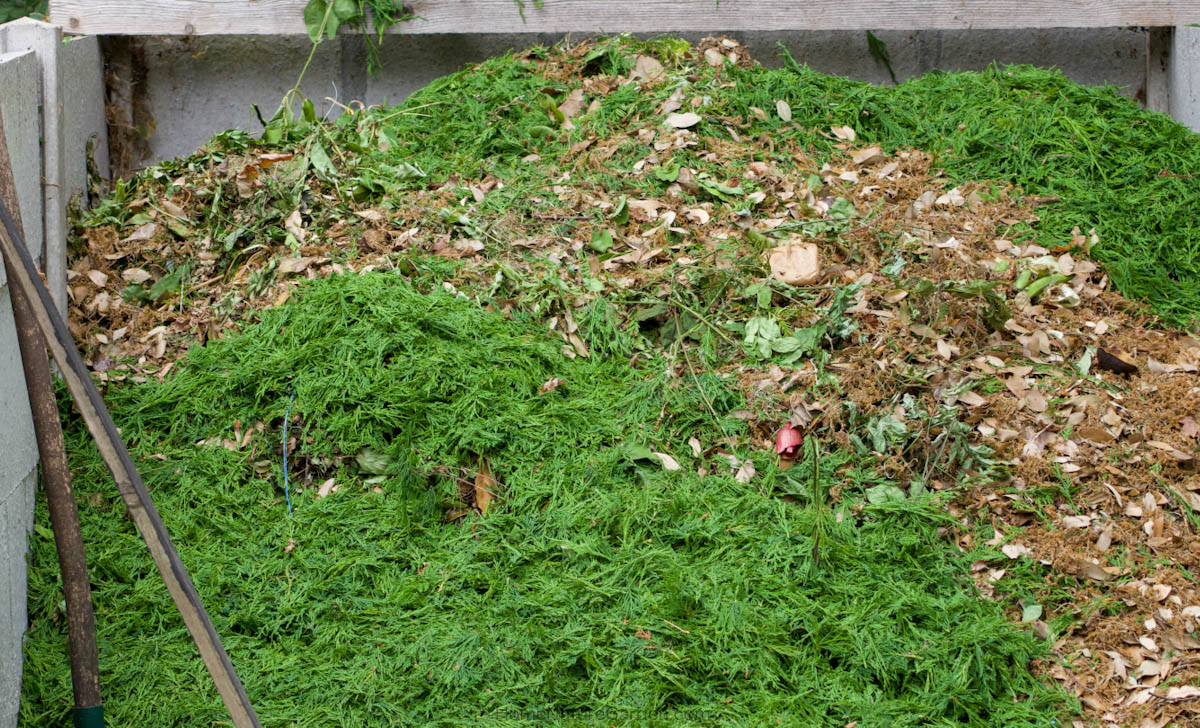
Compost heaps are frequently overlooked, but they are one of the most important areas in a wildlife friendly garden. The compost heap provides numerous benefits for the whole garden – a garden that is sanctuary for nature – and for You. This light-hearted poem from the compost heap celebrates the humble compost heap, and its…
An Ode to a Compost Heap: Why Every Garden Benefits from Composting
-
If you’ve never made a compost heap before, you might ask whether it’s worth the effort. The good news is composting is inexpensive, simple and rewarding. It helps to reduce the amount of waste you throw away, and it produces soil that your plants will love. If you are new to composting, this guide to…
Composting For Beginners: Why Every Garden Should Have A Compost Heap
-
Learn how simple changes can make your garden wildlife friendly, creating food, water, shelter and space for birds, bees, butterflies and other wildlife.
How to Make Your Garden Wildlife Friendly
-
Butterflies are struggling to survive in our gardens and countryside. Pesticides, climate change, and habitat loss have put butterflies at risk. We can save them with simple changes in our gardens. A patch of native flowers, some long grass, and freedom from pesticides are all they need for a safe sanctuary.
Butterflies at Risk: What Inspired my Writing on Butterflies