Introduction
Creating a wildlife friendly garden is one of the easiest ways to help birds, bees, butterflies and other wildlife. It doesn’t require a large garden or mean letting everything grow wild. Instead, a few simple changes can transform almost any garden into a thriving habitat for nature.
In this article, you’ll discover the four essential elements every wildlife-friendly garden needs: food, shelter, water and space.
What Makes a Garden Wildlife Friendly
A wildlife friendly garden isn’t related to how it looks, instead it is what it provides. Every part of the garden has the potential to support life. Flowers become a source of nectar for bees and butterflies. Shrubs offer shelter for nesting birds. Fallen leaves and decaying wood create habitats for a variety of small creatures, and longer grass creates a home for insects.
This doesn’t mean leaving the garden to nature. Instead, it means making space for wildlife alongside everything you enjoy about your garden. A beautifully designed wildlife garden can be attractive as a traditional garden, but it can become a space where wildlife and people can thrive together.
Every wildlife friendly garden provides four essential things: food, shelter, water and space for nature. These simple features encourage birds, bees, butterflies and a variety of other creatures to make your garden their home.
Planting for Pollinators
Flowers are the starting point for the wildlife garden. Butterflies, Hoverflies, bees and other pollinator insects rely on nectar and pollen throughout the growing season. So a variety of plants that are in flower from spring to autumn provides a reliable source of food.
Native flowers are valuable, but many traditional cottage garden plants also provide excellent nectar and pollen throughout the growing season.
Butterflies also need places to settle. Dense planting offers shelter from wind and rain, while stems and leaves provide somewhere to rest overnight. By planting for pollinators, your flower borders become more than a colourful display. They become an important source of life.
If you wish to discover the best plants to grow, read my article Butterfly Friendly Plants for a thriving wildlife garden.
Areas of Shelter
Food alone is not enough. Wildlife also needs places to shelter, rest and breed in safety.
Hedges, climbers, shrubs and dense planting provide protection from strong winds, bad weather and predators. They also provide nest sites for birds and places for insects to stay over night.
You may see Blue Tits repeatedly disappearing into the fir hedge, that was once trimmed neatly. What appears to be an ordinary hedge often contains nesting cavities, sheltered roosting places and hidden pathways regularly used by birds. Mixed hedges may also provide insects, seeds and berries throughout the year. In winter, these sheltered areas become valuable for birds such as robins, which rely on dense vegetation and invertebrates.
Provide Fresh Water for Wildlife
Water is an essential feature of the wildlife garden, for many species of wildlife.
Birds need fresh water for drinking and bathing. Whereas, insects such as hoverflies, bees and butterflies rely on shallow water during warm weather. Damselflies, dragonflies, frogs and toads rely on ponds for breeding. Even a small dish of fresh water would be used by wildlife, in dry, warm conditions.
Sloping sides, shallow edges, or a few pebbles piled to one side in a bird bath enable insects and small animals to drink safely without risk of drowning.
Refreshing the water regularly also helps to keep it clean, and inviting for wildlife. During very hot weather, access to safe drinking water can become important for pollinators.
Space for Nature
Wildlife needs room to live as well as food and shelter.
Not every part of the garden needs to be perfectly tidy. Leaves may gather in corners, seed heads may remain through winter, a patch of grass may grow slightly longer, plants may self-seed without you planning it. All these things creates habitat for spiders, insects and other small creatures.
As insect numbers increase, birds are drawn into the garden to feed. Gradually, the garden begins to work as a connected habitat instead of a collection of flowerbeds.
Sometimes the best way to help wildlife is by doing less. By leaving space for nature, the garden can develop into a place where wildlife visits and stays. Long grass can also provide web building for predators such as the wasp spider.
Watching Nature Return
When your garden provides the four essentials for wildlife – food, water, shelter and space – nature will start to find your garden.
Like me, you may look out into your garden one morning, and see a blackbird searching on the lawn for worms, especially after rain.
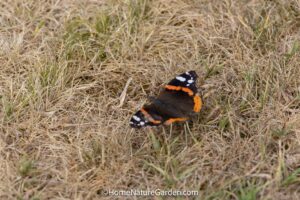
Later in the day, a red admiral butterfly may settle on the warm grass with its wings spread wide, soaking up the warm grass before taking flight. It might return to the same spot on other days.
A handful of buff-tailed bumblebees may feed on the nectar of your Peruvian lillies. When you start to notice them, you may also notice wasps and hoverflies.
A cabbage white butterfly settles delicately onto the purple-top vervain you planted for its height and beautiful flowers, returning daily to feed on its nectar.
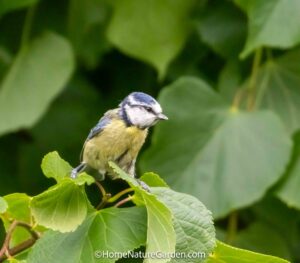
Then, perhaps you suddenly realise, a blue tit has landed on a nearby bush, pausing for a moment before disappearing into the hedge.
Gradually, these small occurrences become familiar. The same birds, insects, and butterflies begin to visit regularly, reminding you that a wildlife garden takes a while to be created. Over a couple of seasons, it grows into a space where nature feels at home.
Conclusion
Creating a wildlife friendly garden is not about making great changes overnight. The Wild About Garden project set up by the wildlife trusts and RHS explains that an ordinary garden can become a place of a few different habitats. It starts with a few decisions to provide food, water, shelter and space. These essential features of the wildlife garden are advised by the RHS Wildlife Gardening page. As each season passes, you’ll discover that the greatest reward isn’t just a beautiful garden, but watching nature gradually choose to make your garden their home.
FAQs For How to Make Your Garden Wildlife Friendly
What Makes a garden Wildlife Friendly?
A wildlife-friendly garden provides the four essentials that nature needs: food, water, shelter and space. By planting nectar-rich flowers, providing fresh water, creating areas of shelter and leaving parts of the garden a little less tidy, you can encourage birds, bees, butterflies and many other species to visit and stay.
Can I Make a Small Garden Wildlife Friendly ?
Yes. Even a small garden, courtyard or patio can support wildlife. A few flowering plants, a shallow dish of water, shrubs for shelter and avoiding pesticides can make a a difference to wildlife.
Do Wildlife Gardens Have to Look Untidy?
No. A wildlife-friendly garden can be both well-maintained and attractive. Leaving a small patch of longer grass, keeping seed heads through winter or letting a corner develop naturally can provide habitats without making the whole garden look untidy.
Which flowers attract bees and butterflies?
Choose a variety of nectar-rich flowers that bloom from spring through to autumn. Plants such as lavender, salvia, verbena, buddleia and many native wildflowers provide valuable food for bees, butterflies and hoverflies.
Is a Pond Essential?
No. A pond does attract a lot of different wildlife, but in my own garden, I’ve found that bees, hoverflies and even house sparrows regularly use a shallow pebble-filled water bowl during warm weather.
How Long Does it Take for Wildlife to Visit a New Garden?
Some insects, such as butterflies or bees, may arrive within days if nectar-rich flowers are available. Birds, hedgehogs and other wildlife may take longer to discover the garden. As plants mature over several seasons, the variety of wildlife increases.
Should I Stop Tidying My Garden Completely?
No. Wildlife gardening is about finding a balance. You can continue to care for your garden while leaving some natural areas, such as leaf litter, seed heads or longer grass, to provide shelter and habitat for wildlife.
Will Wildlife Really Return to My Garden?
Yes, although it usually happens gradually rather than all at once. As your garden begins to provide food, water, shelter and space, you may first notice bees and butterflies, followed by birds, frogs, hedgehogs and many other creatures. Every wildlife garden develops differently, but each small change helps make your garden a more welcoming place for nature.