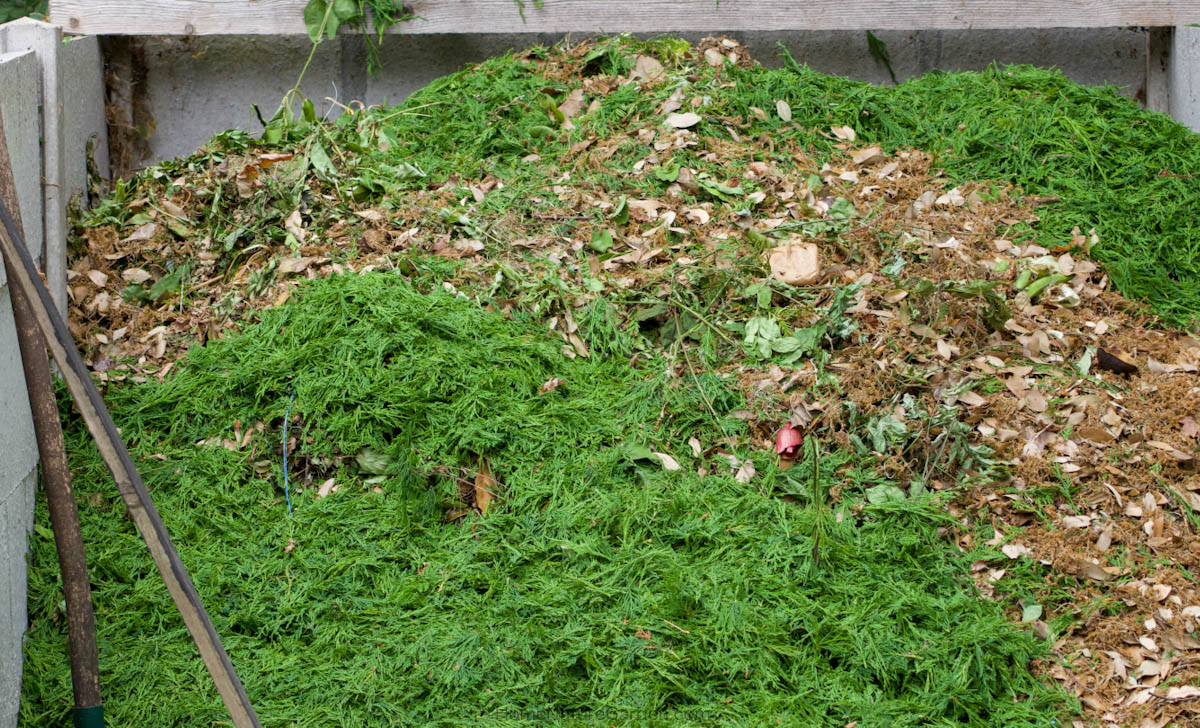
If you’ve never made a compost heap before, you might ask whether it’s worth the effort. The good news is composting is inexpensive, simple and rewarding. It helps to reduce the amount of waste you throw away, and it produces soil that your plants will love. If you are new to composting, this guide to composting for beginners explains everything you need know about about compost. Here are five reasons why every garden should have its own compost heap.
The Benefits of Composting for Beginners
1. Saves Money
Buying bags of compost is expensive and manoeuvring them is hard physical work. By running a composting area, you will save money and not have to carry large sacks of expensive material about.
2. Really Helps Wildlife
Compost provides a source of valuable nutrients for worms, beetles, and various other life forms. Worms are the workforce for your garden, both in the compost and throughout your garden beds. They aerate the soil, stop it from getting water logged, and generally distribute humus throughout the whole structure. In turn, they provide a wonderful banquet for passing birds, and resident birds, such as robins, hedgehogs and other large forms of wildlife that visit your garden. Robins need as much help as they can get during the winter months.
If you are interested in creating a wildlife friendly garden you may enjoy our guides to attracting butterflies and supporting caterpillars.
3. Saves Waste
By judiciously using kitchen waste, such as carrot scrapings, potato peelings, unwanted cabbage leaves and fruit that has gone off, you will find you do not these items away. Instead you find a good use for every bit. These offcuts are transformed into dark nutritious compost over a period of only a few weeks.
4. Is Incredibly Satisfying
All those items that filled your shopping bag, all those clippings from the lawn, all those leaves that were blowing around, all find a place in your nature garden. You can produce vital, delicious compost for your plants and mulch around them, stopping the garden being overrun with weeds. Mulching is simply placing the compost on the top of the solid surface, around plants. Although those hard-working worms will take a lot of the compost down, to nourish the plant roots, a lot of the compost will remain on top and prevent the top soil from drying out and unwanted seeds from setting up home in your valuable garden space.
5. Improves Soil and Plant Health
Compost improves soil structure, helps to keep moisture in, adds nutrients, and encourages healthy root growth. The Royal Horticultural Society has provided details about composting if you would like to read more on this topic. The organic gardening charity, Garden Organic also provides helpful composting advice.
Have I convinced you of the value of compost?
Great. Let’s get started. There are two main methods of making compost – aerobic and anaerobic. The anaerobic one takes a long time – up to a year, because you don’t turn it. So I tend to use the aerobic method which involves turning regularly with a fork. This can produce good compost within six weeks. I will be describing how to create both methods, each in four easy steps.
Four Easy Steps for Making Compost using the Aerobic Method
Step 1. Area for Compost
You need to locate a suitable area for your kitchen garden (composting area). Pick a well-drained place, not too near the house. It is a good idea to select an area that has a good airflow and some sunshine, not completely in the shade.
Step 2. Make a Compost Box
Construct a three-sided box, within which you can place vegetable matter. I have used all types of materials, including pallets and iron sheets.
Step 3. What to Put in the Compost Box
Place all types of natural waste matter into this space, in layers, such as garden leaves, grass cuttings, chicken manure, well-rotted horse manure, cow pats, chopped straw, kitchen waste and other delights.
Avoid putting cooked food onto the compost heap, or any meat products, otherwise you will find yourself running a buffet for rodents.
Step 4. Turning the Compost and Moisture
Keep the compost heap moist, but not soggy. You can prevent excessive evaporation by covering the top of the active heap with an old wool blanket or cardboard. Turn the compost once a week. If it is working well you should notice that the middle of your heap starts to heat up. This is a good sign.
In six weeks, possibly less, you will have a lovely pile of crumbly material to place around your plants, keeping weeds off the soil and providing essential nutrients and worms for your garden.
Four Easy Steps for Making Compost using the Anaerobic Method
One of the best things about composting for beginners is that it requires very little equipment.
Step 1. Area for Compost
You will need to select a ‘Goldilocks’ area – not too hot, not too cold, to store your developing compost.
Step 2. Buy a Compost Bin
It is possible to purchase a plastic compost bin, with a lid. These work best when placed on a well draining, preferably sandy patch of soil. Do not put it on a concrete slab, as visiting worms will not find their way into the bin to magically change your vegetable waste into rich compost.
Step 3. What to Put in the Compost Bin
If you decide on this method, the best thing to do is to save up lawn mowings in one sack, (old plastic sacks are fine for this, as they keep the rain off the vegetable material inside and prevent it from becoming too wet), fallen leaves in another sack and if possible, some well rotted horse manure, chicken manure or cow pats in another sack, alongside your compost bin.
Put these in the bin, in layers, along with kitchen waste as and when it occurs, mixed together. I find that keeping a small lidded bucket alongside the main compost bin, is a good way of building up enough matter to make up a layer. You mix it with layers of lawn mowings, fallen leaves, and manure, as you are putting the vegetable matter in. This stops any layers becoming too wet or too dry, and inhibiting the composting process.
Step 4. The Waiting Game
Now you wait for the compost to evolve, whilst constantly adding layers of material. You should notice that the level in the bin gradually sinks over time. This means it is all working. If nothing happens after a couple of weeks, add in some urine, cowpats, chicken manure or well rotted horse manure together with some fresh green weeds. This will kick start the bacteria into action. It should start to heat up, thus effectively sterilising your composting material over time.
What to Put in the Compost Bin
A common question about composting for beginners is what materials can be placed in the compost bin.
- Vegetable and fruit peelings
- Grass cuttings
- Coffee ground
- Tea leaves (beware of teabags as a lot of them contain plastic and do not break down)
- Dead pot plants including roots and old potting compost
- Dried tree leaves
- Cow pats
- Well rotted horse manure
- Straw, especially used animal bedding straw
- Chicken droppings
- Urine (male or female)
- Garden weeds
- Wood ash
- Ash from garden bonfires
- Wood chippings and sawdust
What Not to Put in the Compost
One of the most important points about composting for beginners is knowing that not all household waste should be placed in the compost heap or compost bin.
- Meat, fish or cooked foodstuffs (These attract rats)
- Dairy products (These products can cause your embryo compost to smell and will inhibit bacterial activity
- Pet waste (This waste may contain harmful pathogens)
- Cooking oils (These oils coat the surface of material in the compost bin and slow down the decomposing process. Oils may have unpleasant smells and attract pests such as rodents.
- Diseased plants (They may spread plant diseases and should be burned.
- Paper (This sometimes contains plastic and may not break down. I sometimes put shredded newspaper in to manage the moisture content).
- Cardboard (I’ve found cardboard takes too long to break down).
- Coal or coke (This adds nothing of value to the compost for your plants’ use).
How Does Compost Work?
Tiny organisms, such as fungi and bacteria, plus worms and beetles, process the layered waste materials in the compost box. These beings break down the waste matter and change it into compost.
How Long Does the Compost Take?
When learning about composting for beginners, many people are surprised by how long the composting process takes. It can take 6 or more weeks for the material to break down into compost, depending on which method you select and how often you turn your aerobic compost heap.
How to Tell When Compost is Ready.
A common question composting for beginners is knowing when the compost is ready to use. The content will be crumbly, dark brown, with an earthy smell. There will be no sign of the original material you placed in the compost box.
Common Composting Problems
– Aerobic compost heap
Compost too wet
If the compost is too wet place a old wool blanket or cardboard on the top of the compost to keep the rain out, plus add some shredded newspaper to the mix after a thorough turning.
Bad Smelling Compost
Offensive smells occur because the compost is too wet or it it hasn’t had enough air. Use an old wool blanket or cardboard across the top of the compost to keep the compost dry. Regularly turning the compost with a fork will give the compost air.
Slow Decomposition
The compost might be taking a long time to decompose. This may occur because the compost has not had enough green waste or nitrogenous rich material (such as cow pats, well rotted horse manure etc). Add urine (male or female), green kitchen waste. Lawn clippings need to be mixed well into the general matter to ensure they don’t form a slimy clump.
Compost Too Dry
This occurs because there is a lack of moisture in the compost box. Add rainwater and/or urine. Turn regularly to mix the material.
Common Composting Problems
– Anaerobic Compost Bin
Compost Too Wet
Leave lid off for a while, and add in some shredded newspaper or chopped straw (chopped dry grass will be fine). Mix this through the contents as thoroughly as possible. Check there isn’t a layer of compressed lawn mowings holding things up.
Bad Smells
Compost too wet or contains animal matter such as meat, fish or dairy products. These will need to be removed.
Compost Too Dry
Add some rainwater or urine.
Beginner Tip For a Successful Compost
Compost has five elements:
Brown Waste – Green Waste – Air – Moisture – Heat = Great Compost.
Brown waste such as shredded newspaper provides carbon, green wast provides nitrogen, air support the decomposing process, and moisture helps to keep the tiny composting organisms worms and beetles active. If all these conditions are met, the composting process creates heat, which sterilises the contents. The end result is quality compost for your garden plants.
If you would like a lighter take on the compost heap, you might enjoy my poem, An Ode to a Compost Heap which celebrates the humble compost heap and its place in the garden.
And to Finish
Composting is an easy, environmentally friendly method for turning garden and kitchen waste into a valuable garden resource. With a good balance of materials the compost box can become a rich, nutrient compost that will be loved by your garden plants. It doesn’t matter if you decide on a compost heap, or a compost bin, you can start a compost heap in four easy steps. As this guide to composting for beginners has shown, all it takes is a balance of materials, a little fork turning in the compost heap or mixing the materials in the compost bin, and some patience. The quality compost will be enjoyed by your soil and your plants. Benefits continue both to your pocket and to your plants.
Composting is not simply a practical way to recycle garden and kitchen waste, it also supports a more natural style of garden. By working with nature, gardeners can create a rich habitat for wildlife. This idea is at the centre of my philosophy of the wildlife garden.
FAQs about Composting for Beginners
These frequently asked questions cover some of the most common concerns about composting for beginners.
1. What is Compost?
Compost is created when organic materials including vegetable and fruit peelings, fallen leaves and grass cuttings are mixed together to break down over time. The result is a crumbly, dark brown, earthy material that may be added to the garden to improve the soil, help retain moisture and help plants to flourish.
2. What is Composting and How Does it Work?
Composing is a natural process where microorganisms, and worms break down the brown waste such as shredded newspaper; kitchen waste such as rotten fruit and vegetable peelings; garden waste including grass mowings and fallen leaves; together with well rotted horse manure, cow pats, chicken manure or urine.
Over a short period of time, roughly about six weeks, in a three-sided compost box, with weekly turning, the compost will become dark brown, crumbly material, suitable for improving the soil around your garden plants.
3. Is Composting Worth Doing?
Yes, it most certainly is. It produces a compost that is rich in nutrients for your plants. Compost can improve the health of your soil, support vigorous plant growth and help retain moisture in your soil. Composting is also an environmentally friendly system, as it saves on the amount of waste that is sent to landfill sites.
What do I Need to Start Composting?
A three sided box can be constructed out of pallets, sheets of metal, or three wooden panels, or brick if you’re feeling adventurous. Alternatively you can purchase a plastic compost bin complete with lid. Any lightweight fork is suitable for turning the compost. If the fork is heavy to start off with, it will be heavy to lift with compost. I’ve got a carbon steel lightweight fork.
What Can I Put in a Compost?
Fallen leaves, grass clippings, vegetable and fruit peelings, cabbage leaves, gone off fruit, weeds, cow pats, and chopped straw.
How Long Does a Compost Take to Make?
The three-sided compost box takes six weeks to become compost, if balanced with brown waste, such as shredded newspaper, green waste, kitchen waste, such as vegetable peelings, and turned weekly to increase the air to the compost. Cardboard can be placed on the top of the compost to keep it dry.
The plastic compost bin could take several months to a year to compost because it will not have so much air circulating its smaller space.
8. How Can I Tell When the Compost is Ready to use in the garden?
There is no pungent smell and the material has a rich, dark brown, crumbley texture. There is no sign of the original waste materials that you added.
9. Can the Compost Attract Rats?
Yes. The compost can attract rats. It’s best not to add dairy, meat, fish or cooking oil to the compost because rodents feed off them.
10. How Often Should the Compost Be Turned?
I turn the compost once a week in my three-sided compost box. If you have a plastic compost box, you mix it as you fill the compost bin. No turning is required for the compost bin but it does take significantly longer to break down due to not being frequently aerated.
With Thanks
This article was written with the benefit of advice and insights from Garden Perks, whose practical composting experience contributed to the information shared here.