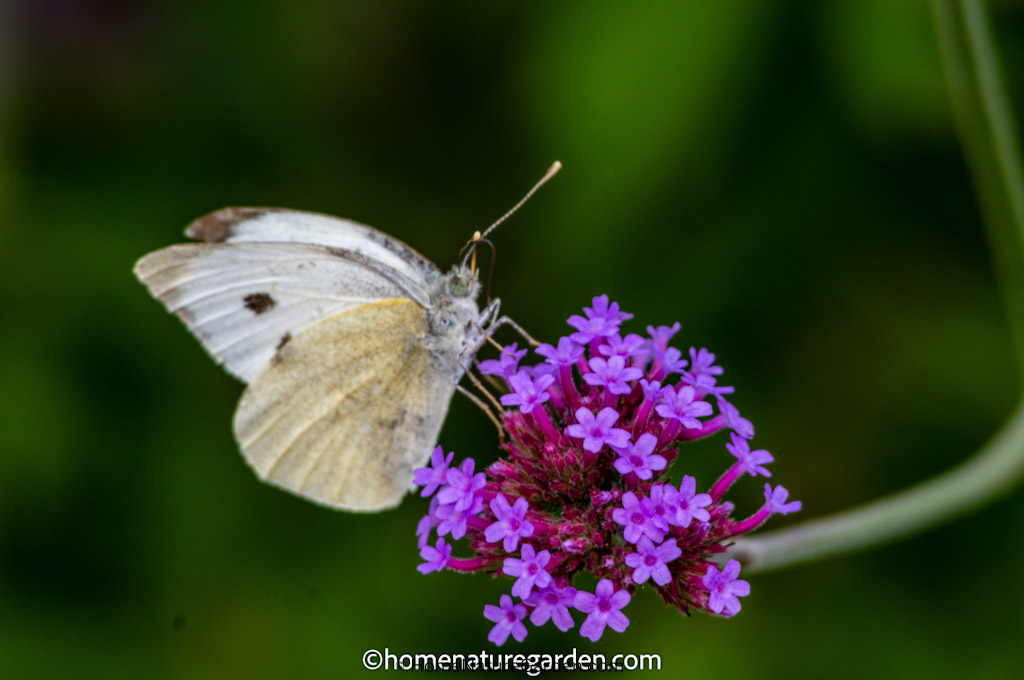
This article is the starting point for my series on butterflies and caterpillars in the nature garden.
Have you noticed fewer butterflies when you’re out walking or in your garden. I have. There are 59 species of butterflies in the UK but I have seen only a fraction of them.
What the Latest Butterfly Figures Tell us
The figures suggest this is more than a personal impression. Recent surveys and long-term monitoring paint a grim picture for Britain’s butterflies.
The State of the UK’s Butterflies 2022, reported that 80% of UK butterfly species have decreased in abundance, distribution, or both since the 2970s. Additionally, the 2022 Red List of Butterflies found that half of Britain’s remaining butterfly species were classed as threatened or near threatened. In 2026, analysis highlighting 50 years of The Butterfly Monitoring Scheme, found that 33 of the native species monitored had declined over the long term, while 25 had increased. One species had insufficient data.
How We Can Help Butterflies at Risk
We can still help, though. Small changes in our gardens can make a difference. Letting some grass grow a little longer, providing nectar producing flowers, leaving flowers that still produce nectar, and avoiding pesticides can all help butterflies thrive.
These simple changes give butterflies food, shelter and places to breed. No matter how big or small your garden is, you can create a habitat for butterflies. Even a small sanctuary with the right flowers can attract provide a valuable source of nectar these beautiful.
My Inspiration for Writing About Butterflies
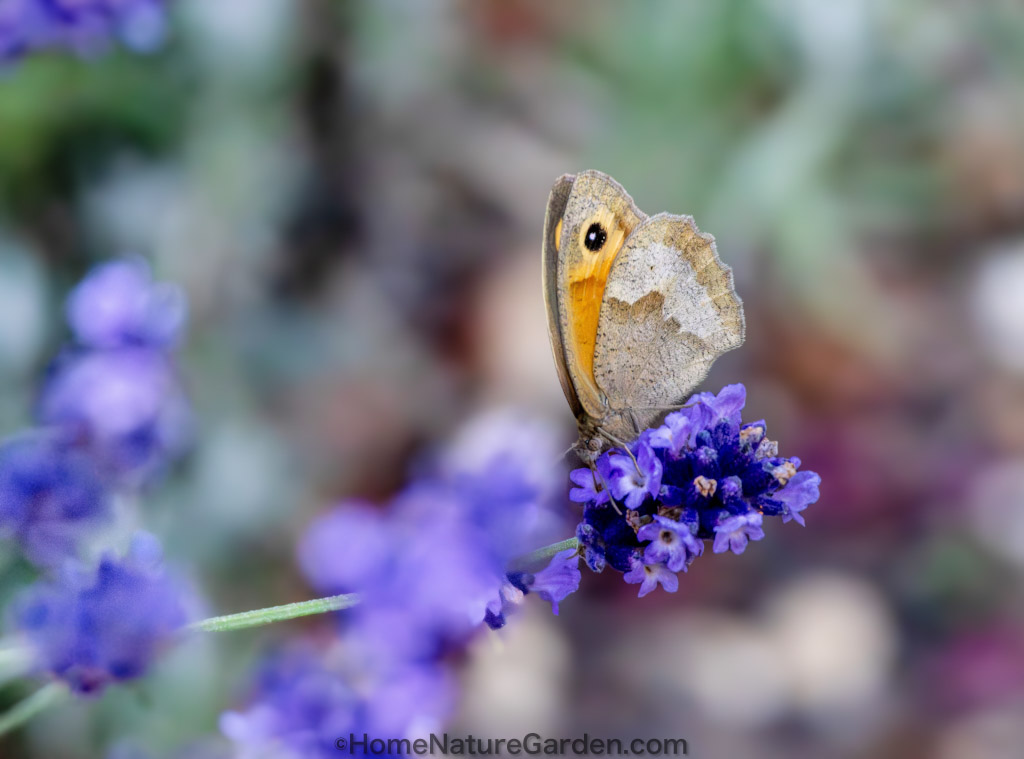
My articles on butterflies are inspired by the butterflies I have seen in my garden, visiting lavender and purple-top vervain. As well as butterflies feeding on purple buddleia along a river bank.
I Wanted to See More
I began to wonder about all the butterflies I wasn’t seeing. Most were familiar butterflies, like the Large Whites, Green-veined Whites and Meadow Browns. Where are all the others? I wanted to see more.
Of course, not every butterfly is attracted to the plants growing in my garden or to the buddleia along the river bank. Different species have different habitat needs, and that made me want to understand more about butterflies we might see, the plants they depend on, and what we can do to help them.
My inspiration was also gained from reading about butterflies at risk, and their decline because of habitat loss and pesticide use. That was when I decided to create a garden for butterflies and caterpillars. Not just somewhere for adult butterflies to visit for nectar, but a garden that could support more of their life cycle.
Creating a Garden for Butterflies and Caterpillars
I wanted to provide nectar producing flowers for adult butterflies, along with plants that their caterpillars need for food. Native plants and grasses could offer places for some species to lay their eggs, and undisturbed areas could provide shelter as caterpillars grow and pupate.
it would be a sanctuary where butterflies would be able to do more than visit for food. They could also breed and some could complete their whole life cycle. From egg, to caterpillar , chrysalis and then adult butterfly.
Butterflies and Caterpillars in the Nature Garden – The Series
This article is part of a series exploring how gardens can support butterflies at every stage of their life cycle, through observation, tolerance and the right plants. It also connects with my wider guide to creating a wildlife garden, where planting for butterflies can also provide food, shelter and habitat for bees, birds and many other species.
If you’d like to help butterflies thrive in your garden, read my series of articles on:
Butterfly Friendly Plants for a Thriving Wildlife Garden
I share 10 reliable, butterfly friendly plants that butterflies love. These flowers provide nectar and resting places throughout the season. I also explain when to plant them, when they flower, and where they grow best in the garden. These 10 plants can provide flowers for about eight months, from March to October. This would help to create a longer source of nectar for visiting butterflies. By planting this kind of variety, you can help butterflies feed, rest, and thrive throughout the year.
Plant Foods for Caterpillars & How to Spot Leaf Damage
Rather than just listing plants, this guide focuses on how caterpillars actually feed, and how to recognise their presence by reading the leaves. I focus on feeding signatures, which are the telltale patterns caterpillars leave behind on leaves, to help you spot signs of butterfly life in your garden.
Designing a Plan for a Butterfly and Caterpillar Garden
This garden plan shows how pollinator plants, caterpillar food plants, and connected habitats can work together to support butterflies at every stage of their life cycle, creating a garden that is both wildlife-rich and a sanctuary for nature and for you.
5 Ways to Enjoy your New Butterfly Garden
This article shares five ways to enjoy a butterfly and caterpillar garden, from photography and recording sightings to supporting conservation.
Butterfly & Caterpillar Books for Garden Reading
A special selection of UK butterfly and caterpillar books for nature lovers. From pocket guides and practical identification guides, to more detailed reference books, these titles can help you identify species, understand life cycles, and give you a deeper understanding of the butterflies and caterpillars in your garden.