Gardens are often designed to be attractive and pleasing to look at, rather than a wildlife garden shaped by the life they support. Borders are planned around colour and height. Path edges, stepping stones and lawns are cut neatly. Hedges are trimmed to straight lines, plants shaped deliberately, and lawn mown to a precise height, or patterned rows.
Sometimes these gardens look lush and beautiful. Nothing appears out of place. Scents from beautiful flowers blow along through the air. It is carefully designed for human relaxation and contemplation. With places to sit at a table to read, or drink a coffee in calm surroundings.
But a garden can gradually change into something quite different. A wildlife garden, shaped not by design alone, but by the life it supports.
Without planning, it starts to change into a space where creatures live and feed.
Butterflies in the Wildlife Garden
A butterfly lands on the Purple Top Vervains, you planted at the back of the border for their height and lightness. You notice it return on different days. In the early afternoon, a Red Admiral butterfly rests on the lawn. With wings spread to absorb warmth from the sun. It visits again, and again.
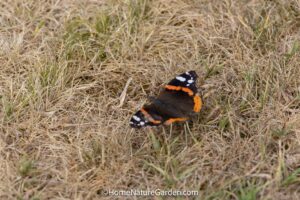
Butterflies are often the first wildlife people notice in a wildlife-friendly garden. They are visible and active during the day. Their presence means that the garden has appropriate flowers and places to rest overnight. Caterpillars may be feeding on nearby plants.
Butterflies do not arrive on their own. They are merely the most familiar and visible part of a wider range of insects in the garden.
Birds in the Garden Ecosystem
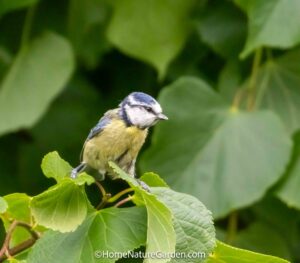
Birds arrive later than the butterflies. You may observe Blue Tits repeatedly disappearing into the fir hedge, that was once trimmed neatly. A Blackbird starts poking about on your lawn, searching for worms, in the early morning, especially after rain.
Birds need the insects, the berries, the seeds, the shelter, the nest sites, and quiet nooks and crannies for safety. The presence suggests that human activity is not overwhelming and disturbing. That insects are plentiful, and that the garden provides a range of different heights.
In a garden that supports insects and offers shelter, birds begin to see the space as a part of their territory. The same conditions that sustain birds also benefit pollinators such as butterflies, which rely on abundant nectar and undisturbed planting. Even familiar visitors like robins are drawn to these layered, food habitats.
Research based organizations, for example The British Trust for Ornithology notes the importance of the garden habitat and insects for garden birds. Birds in the garden co-exist with butterflies and bees. Together, they form part of the garden’s natural balance.
Bees and Pollinators in a Wildlife Garden
A handful of Buff-tailed Bumblebees feed on the nectar of your Peruvian Lillies. When you start to notice them, you may notice wasps and hoverflies.
Each of these pollinators has its own plants, seasons and life patterns. Pollinators need plants in flower, that overlap with other flowering plants. So food is available over as much of the year as possible.
Soil Life: Beetles, Worms and Hidden Wildlife
Beetles, worms and soil life in the garden are the most invisible aspects of wildlife. They come into the garden simply because of moisture, decay, and soil. These creatures appreciate leaves left on the ground, and dead stems and wood allowed to rot over winter. Healthy soil life is the foundation of any wildlife garden, supporting everything that lives above ground. The charitable organization Buglife offers expert advice on those invisible bugs in the wildlife garden.
By doing less in the garden, we leave spaces for a wildlife friendly garden.
Unfinished Garden
The wildlife garden has leaves left in corners. Plants self-seed, in unplanned areas. This is not an untidy garden. It is a garden where wildlife feels safe. Organisations such as the Royal Horticultural Society recognise that even small gardens can support wildlife when carefully managed.
It is a space that is observed, rather than controlled.
Wildlife Garden Philosophy
It asks:
Who the space is for?
Do we need a high level of control?
What happens if we wait and watch?
Your garden doesn’t need to be wild looking, rural, or large, to support wildlife.
There is a wildlife support cycle. When butterflies have plants for food, bees are also helped. By providing support for insects, birds arrive. If soil is healthy, everything above ground also benefits.
The garden starts to feel occupied, despite the quietness. Your garden has started to become a garden as habitat rather than a beautiful garden designed only for human enjoyment. Gardens are an essential part of the wider network of wildlife habitats, an important principle recognised and supported by The Wildlife Trusts.
Yet it can still be a garden designed for human relaxation. You can still sit at a table or bench to read, or drink your coffee. Human presence does not need to disappear for wildlife to thrive. If you are happy to wait and watch, your garden will show you how it supports nature.
The curiosity of wildlife
One of the advantages of the wildlife garden is that it encourages curiosity. Once you notice an insect, mammal or bird, you begin to notice others. A butterfly basking in the sunlight on the lawn, leads to various questions. What is it called? Where does it come from? How long will it stay?
Curiosity leads to understanding. For many people, butterflies are the first wildlife they observe in their garden. I have written a series of articles about butterflies and caterpillars. Articles on other insects, mammals and birds will follow in time.
Rather than looking at adult butterflies and nectar rich plants, the series also focuses on caterpillars. Their overwintering habits, leaf damage and the less visible aspects of butterfly life. These are the less known details about butterflies and caterpillars and they are essential for understanding how butterflies survive.
Supporting butterflies involves observation, tolerance and an acceptance that plants may be eaten and leafs may be damaged. Support involves understanding that the garden may look untidy rather than a perfect display. Untidiness is evidence of the garden operating as a habitat for wildlife.
The articles in this series are based on experience. Watching butterflies return to the same garden, the same plants, every year. When their basic living needs are met.
Butterflies and Caterpillars in the Nature Garden – The Series
If you would like to explore how butterflies can thrive in your garden, read my articles that will show you how gardens can support butterflies at every stage of their life cycle. Through observation, tolerance and thoughtful plant choices.
Butterflies at Risk: What Inspired My Writing on Butterflies
An introduction to why butterflies are struggling, and how simple observations in the garden prompted a deeper interest in their decline and survival.
Butterfly friendly Plants for a Thriving Wildlife Garden
A closer look at nectar plants that butterflies love. The plants were selected through observation rather than planting lists.
Plant Foods for Caterpillars& How to Spot Leaf Damage
An exploration on how caterpillars actually feed, and how to recognise their presence by looking at feeding signatures. The telltale patterns caterpillars leave on leaves – to help you recognise butterfly life.
Designing a Plan for a Butterfly and Caterpillar Garden
A detailed garden plan shows how nectar plants, caterpillar food plants, and connected habitats work together to support butterflies during their whole life cycle.
5 Ways to Enjoy your New Butterfly Garden
Five gentle ways to enjoy a butterfly and caterpillar garden. From photography and recording sightings to rearing caterpillars and supporting conservation. By slowing down and observing, you can deepen your connection with the wildlife your garden supports.
UK Butterfly & Caterpillar Books to Read In or Near Your Garden
A selection of UK butterfly and caterpillar books to enjoy in or near the garden. From pocket guides to thoughtful natural history reading. These books help you identify species, understand life cycles, and deepen your connection with the wildlife your garden supports.