Wildlife Garden
A wildlife garden is a place where plants and creatures coexist. By allowing space for insects, birds, and small mammals, even a modest garden can support nature. With thoughtful planting and a little tolerance, your garden can become a sanctuary for nature – and for you.
-
It is winter in my rural garden. Growth has slowed down and the structure of the garden is easier to see. At this time of year, the robin in UK gardens is more noticeable, while many other birds seem quieter. The winter robin in UK gardens is one of the few birds that remain visual…
Winter Robin in UK Gardens: Territory, Ecology and Survival
-
A reflective introduction to the wildlife garden, exploring how ordinary gardens can become shared spaces for butterflies, birds, bees, and soil life through observation, patience, and tolerance.
When a Garden Becomes a Wildlife Space
-
A curated selection of UK butterfly and caterpillar books to enjoy in or near the garden. From pocket guides to thoughtful natural history reading, these titles help you identify species, understand life cycles, and deepen your connection with the wildlife your garden supports.
10 UK Butterfly & Caterpillar Books to Read In or Near Your Garden.
-
This article shares five gentle ways to enjoy a butterfly and caterpillar garden, from photography and recording sightings to rearing caterpillars and supporting conservation. By slowing down and observing, you can deepen your connection with the wildlife your garden supports.
5 Ways to Enjoy your New Butterfly and Caterpillar Garden
-
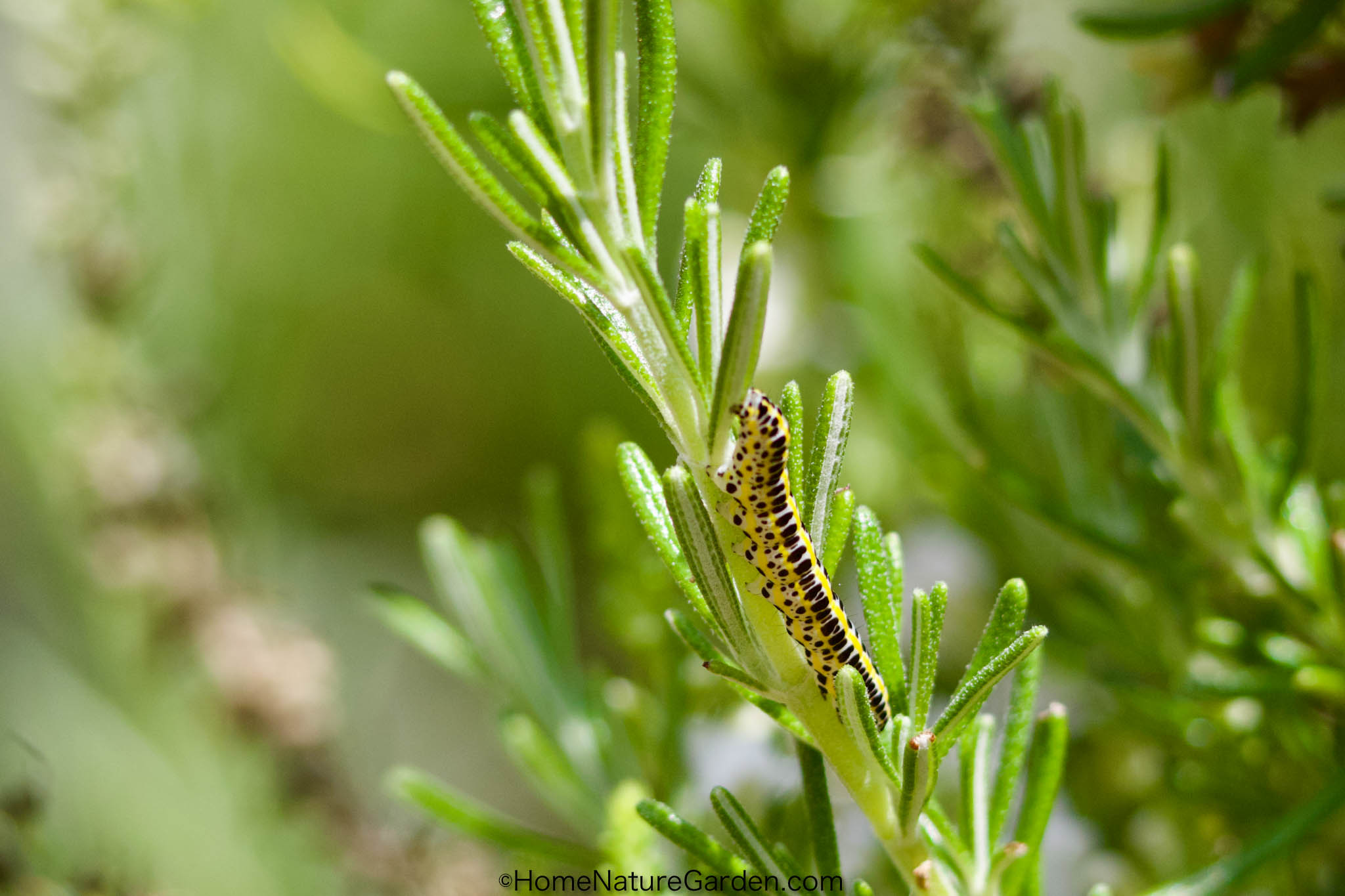
This guide explores 10 essential plant foods for caterpillars and explains how to recognise their feeding signs on leaves. By tolerating some leaf damage, you can support butterflies throughout their life cycle and help your garden become a sanctuary for nature and for you.
10 Plant Foods for Caterpillars & How to Spot Leaf Damage
-
This guide shares 10 reliable pollinator plants that provide nectar and resting places for butterflies from spring to autumn. By choosing flowers that suit butterfly behavior, you can help adult butterflies feed, rest, and thrive, creating a garden that becomes a sanctuary for nature and for you
Butterfly Friendly Plants for a Thriving Wildlife Garden